
How Should a Suit Fit? A Guide for Houston Men
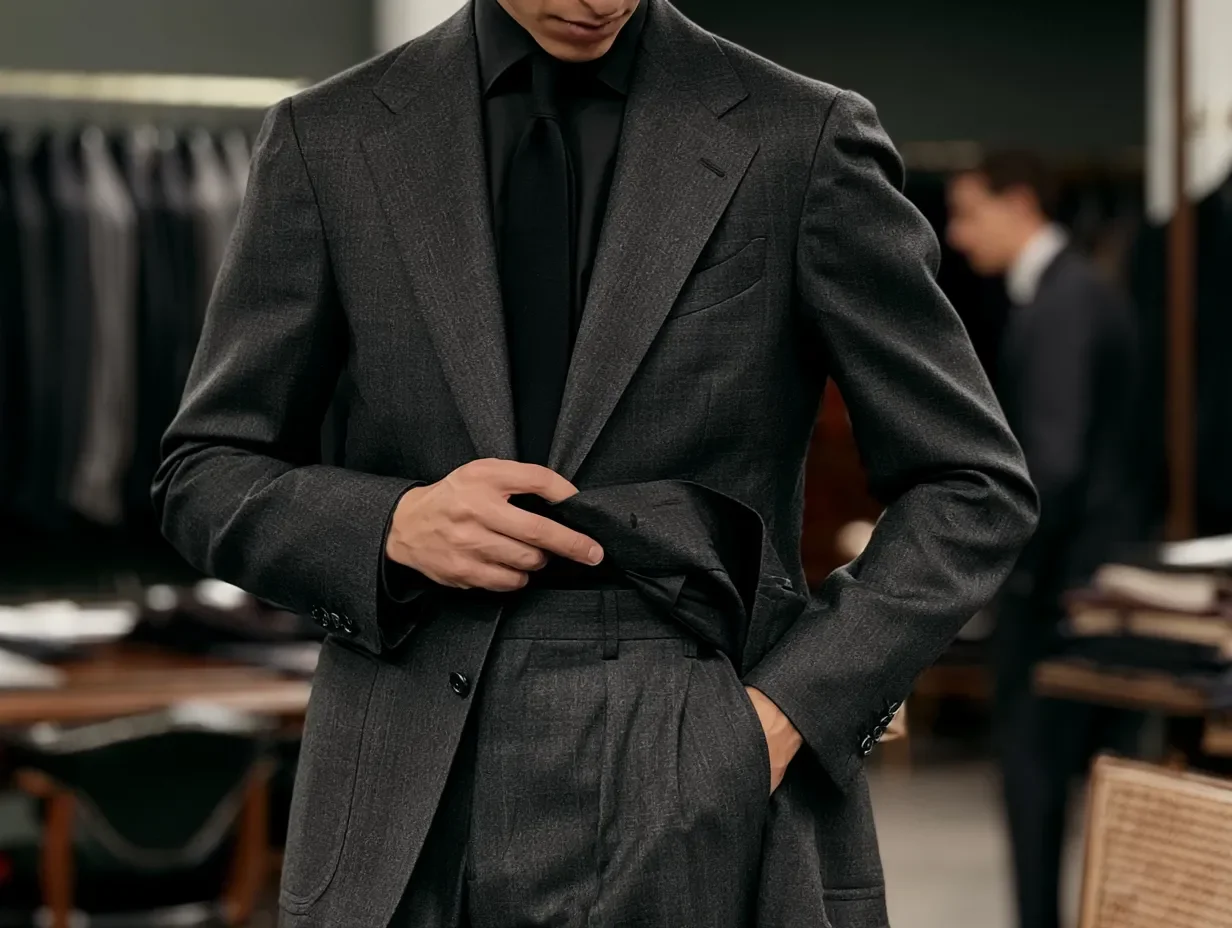
A suit built for Houston's heat starts with the cut, not just the fabric
Also worth reading
Shopping for women's suiting? We have a separate fit guide. How a suit should fit a woman →
Plenty of men in Houston have worn suits for years without ever wearing one that actually fits. Not because they don't care, but because most suits are built for an average that doesn't exist. Understanding how a suit should fit, and what to look for at each point on the body, is the first step toward changing that.
The shoulders
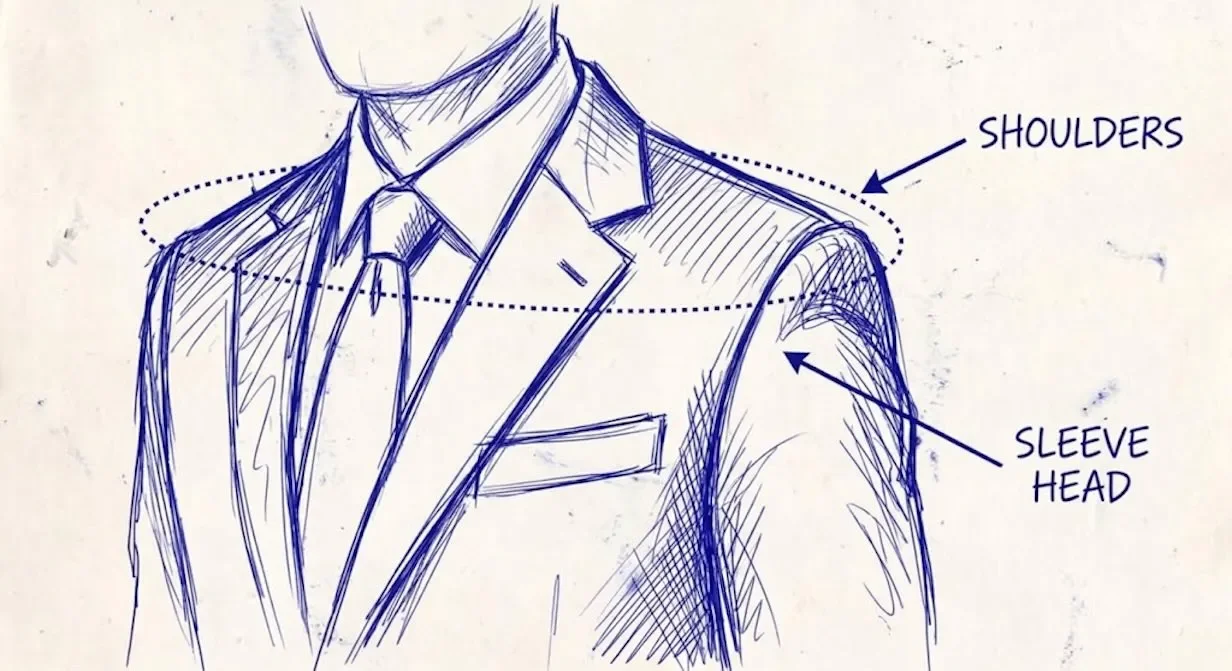
The shoulder seam should sit at the natural break of the shoulder, not creeping down the arm or pulling up toward the neck. If the seam placement is off, no alteration will fix it without rebuilding the jacket.
The chest and lapels
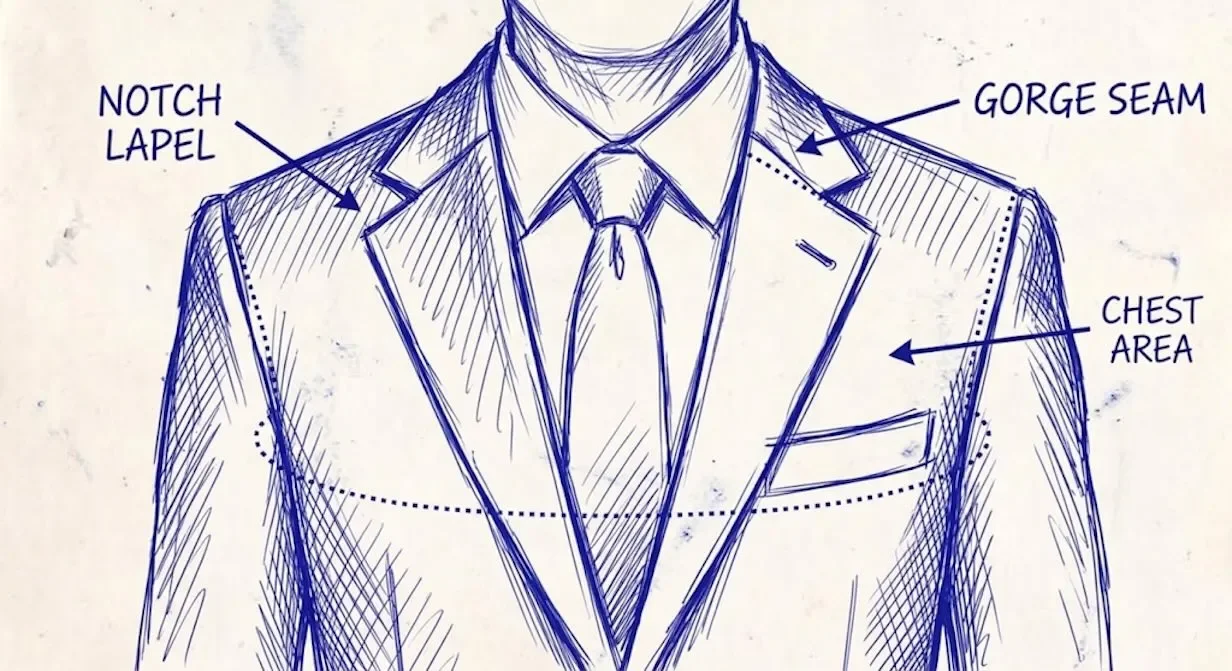
Button the jacket. The fabric should close cleanly without pulling across the chest or creating an X-shaped strain between the buttons. Lapels should lie flat against the shirt. If they bow out or gap at the top, the chest is too small for the body inside it. If the jacket hangs loose and shapeless, it's too large.
In Houston's heat, most men end up in lighter cloth. Unstructured or lightly canvassed jackets don't have the padding to absorb slack, so chest fit problems read more plainly.
Waist suppression
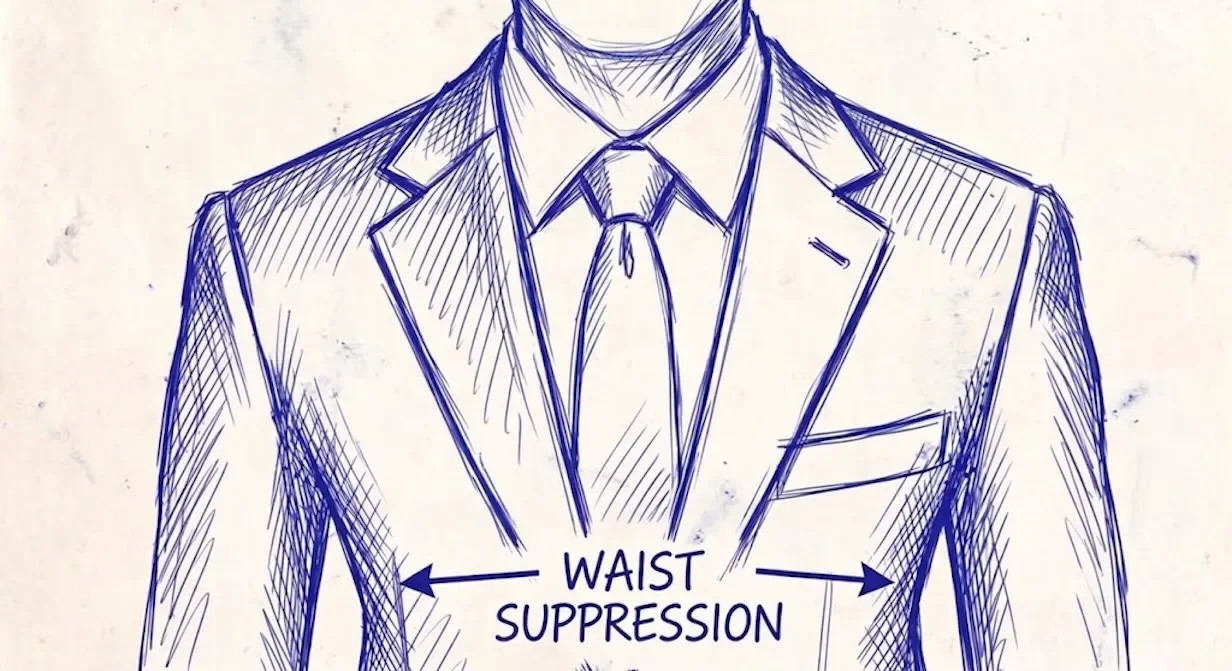
The jacket should follow the body's natural narrowing between the chest and the hip. When it doesn't, the suit reads shapeless regardless of how well everything else fits. Lighter fabrics, which you'll want in Houston's heat, have less structure to hide behind, so the cut has to do more of the work.
The sleeves
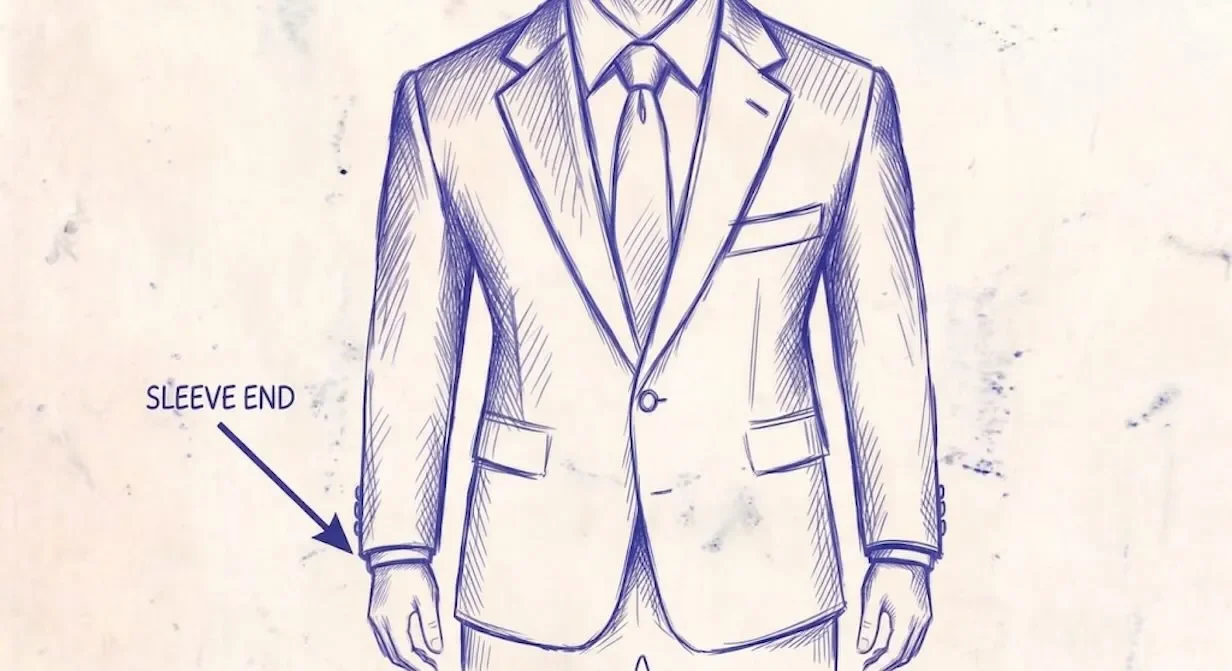
The jacket sleeve should stop just above the wrist, allowing roughly a half inch of shirt cuff to show. Covered cuffs make sleeves too long, and the whole jacket look approximate.
Suit jacket length
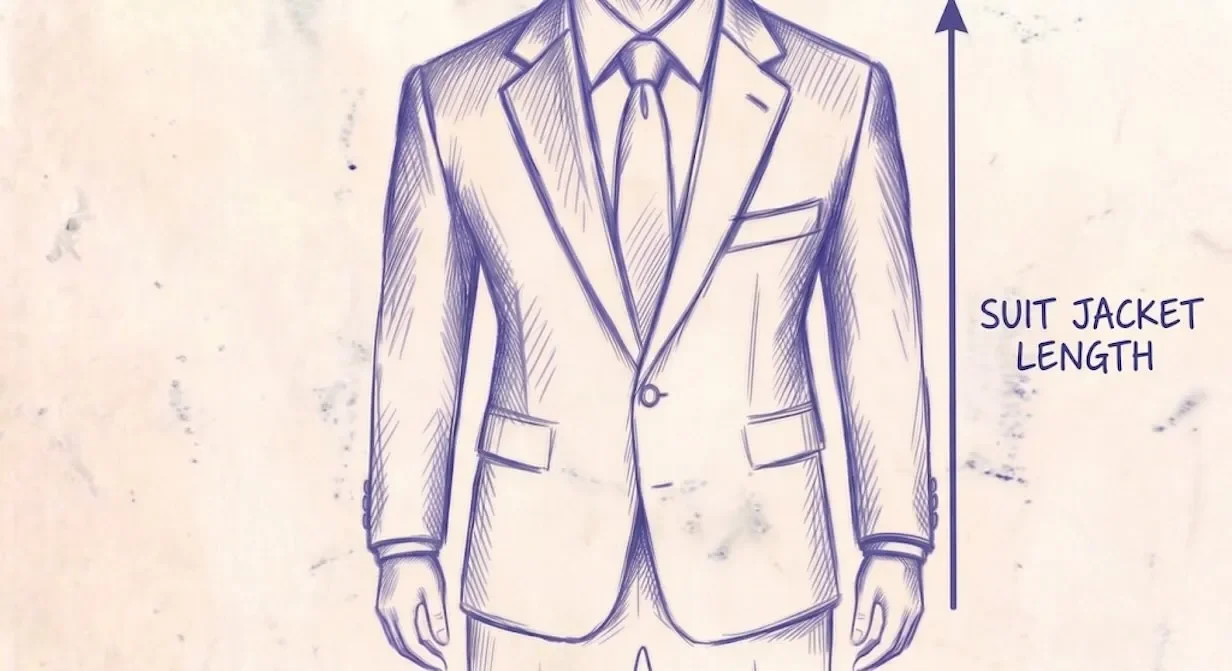
The jacket should cover the seat and reach roughly to the knuckles when the arms hang naturally. This varies with body proportion, which is part of why standard sizing struggles with suit fit. Cut too short and it reads like something outgrown. Add an inch too many, and the whole silhouette disappears.
The suit trousers
Through the seat and thigh, the fabric should lay smooth without pulling or excess bunching. The break at the hem is a matter of preference. Anywhere from none to a quarter break can work. But the trouser has to function standing and seated both. If you want the full picture on trouser fit, I’ve covered it in detail in this dress pants fit guide.
In Houston, where most men spend a good chunk of their day in a car, a trouser that fits on the showroom floor and strains the moment you sit down isn't really fitted at all.
What alterations can and can't fix
A skilled tailor can take in a waist, shorten a sleeve, or bring up a trouser hem. Those are real improvements. But alterations work within the limits of an existing pattern, and most off-the-rack patterns weren't built for your proportions to begin with. You might spend money altering a suit and still end up with something that pulls across the back or strains at the thigh. Bespoke starts from a pattern drafted for your proportions, so the fit problems alterations can't reach don't exist in the first place.
How B. Kreps approaches suit fit in Houston
The process at B. Kreps starts with a try-on garment. This lets us evaluate posture, movement, and proportion in person rather than working from measurements alone. From there, a personal pattern is drafted and the garment is cut and made at our atelier in Amsterdam before returning to Houston for final refinement. That refinement accounts for how you actually live here. The climate, the way you carry yourself, the contexts where you'll wear the suit. The finished suit fits because it was built for the person wearing it from the start.