
How Should Dress Pants Fit? A Guide for Houston Men
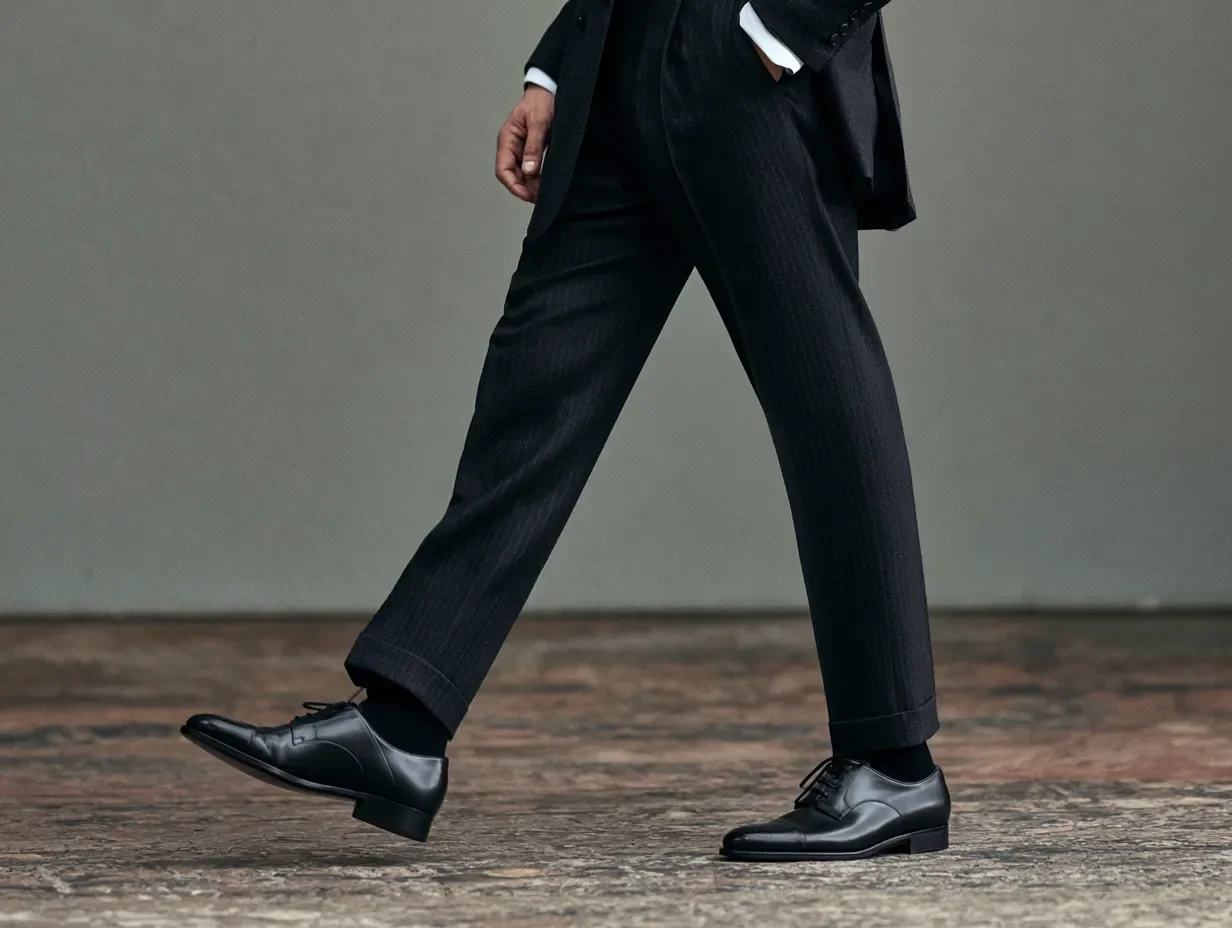
Dress pants that fit well don't need a jacket to save them
Also worth reading
Shopping for women's bespoke clothing? We have a separate fit guide. How should women's dress pants fit →
In Houston, dress pants get worn more than most people expect. Client meetings, business lunches, professional offices, and the occasions add up fast. I’ll cover what good dress pants fit actually looks like, from the waistband down to the hem.
The waistband
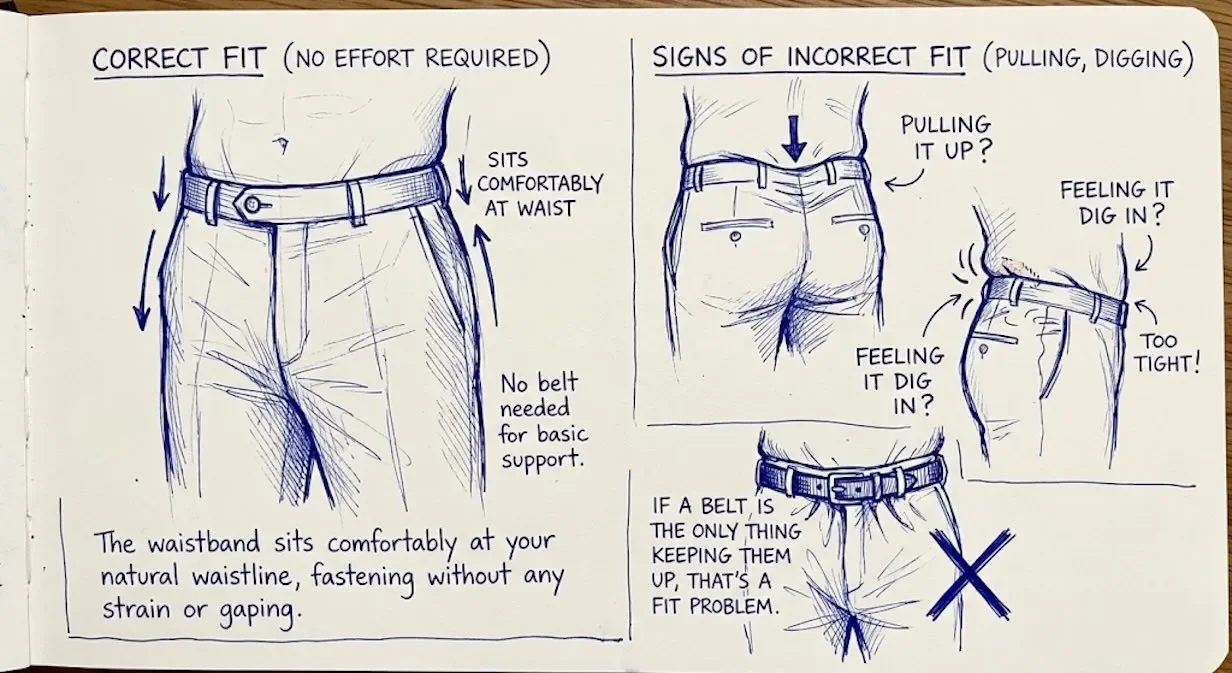
The waistband should sit comfortably at your waist and fasten without any effort. If you're pulling it up throughout the day or feeling it dig in, it doesn't fit. If a belt is the only thing keeping them up, that's a fit problem.
The seat
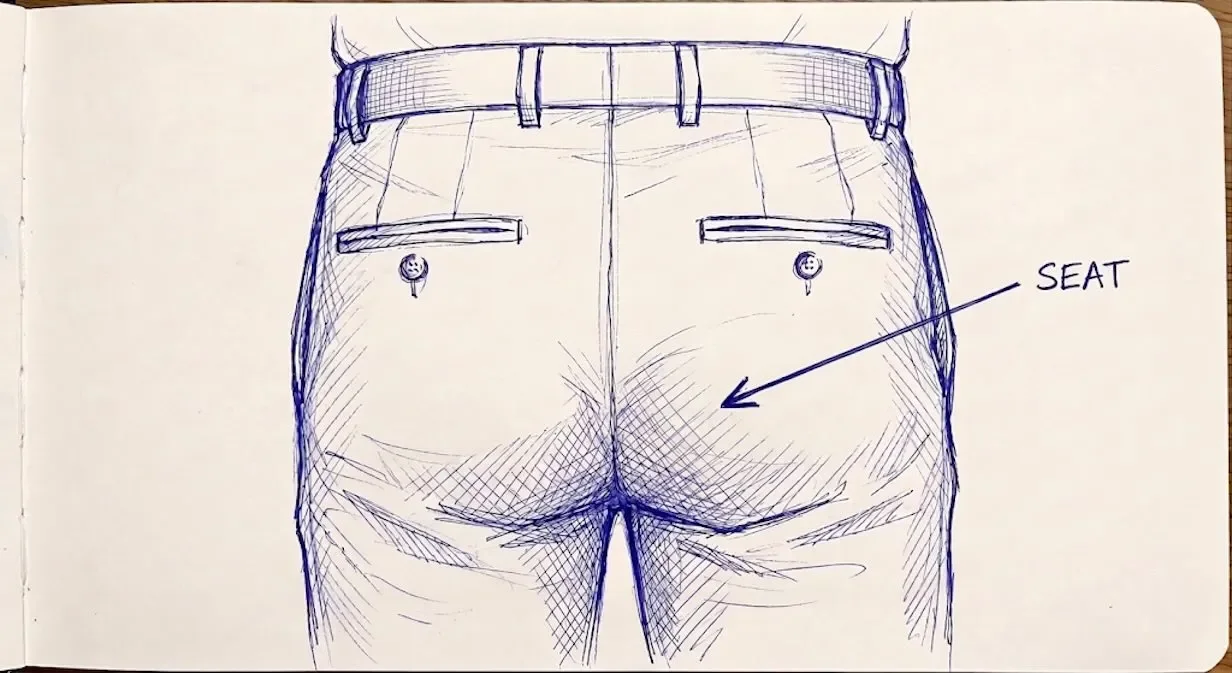
The fabric through the seat should follow the shape of your body without pulling tight or sagging below it. If the fabric strains when you sit or bunches into loose folds underneath, neither is right. In Houston, where most men spend a good part of the day driving between meetings, dress pants that fit well standing need to feel just as comfortable seated.
Thigh and hip
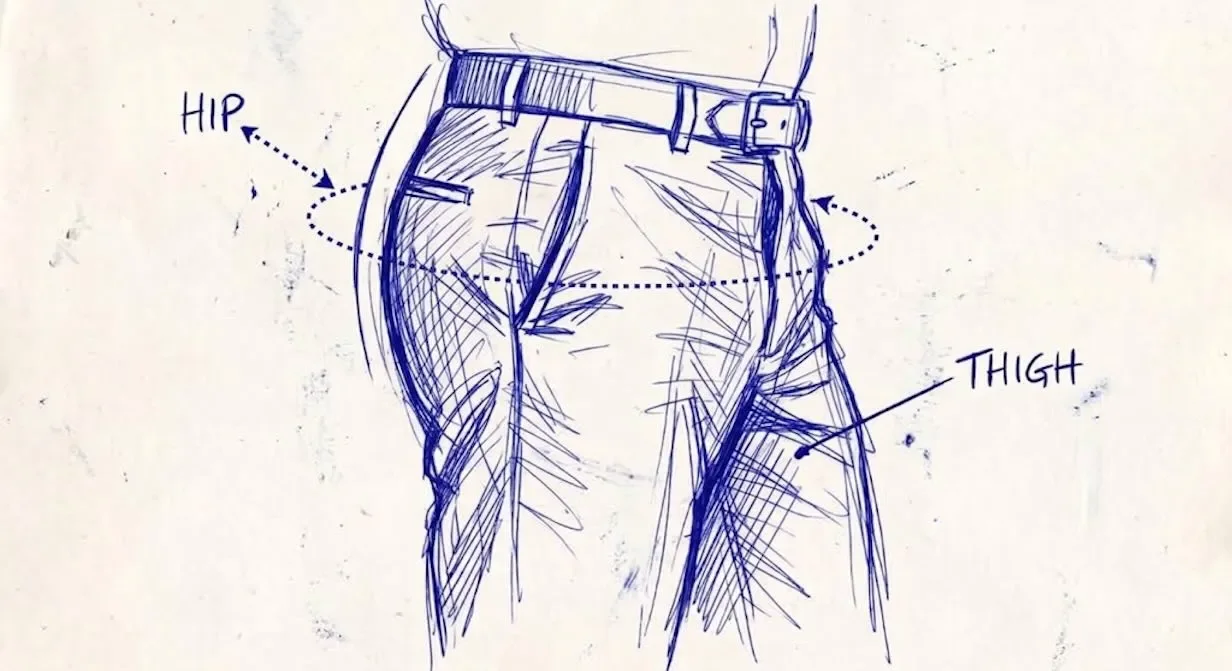
Through the thigh and hip, the fabric should lay flat and move with you. If the trouser grips the thigh when you walk or creases horizontally across the hip, it's too narrow. If there's loose fabric hanging from the hip with no shape to it, it's too wide. The leg should look clean from the hip down, no pulling, no excess bunching.
The rise
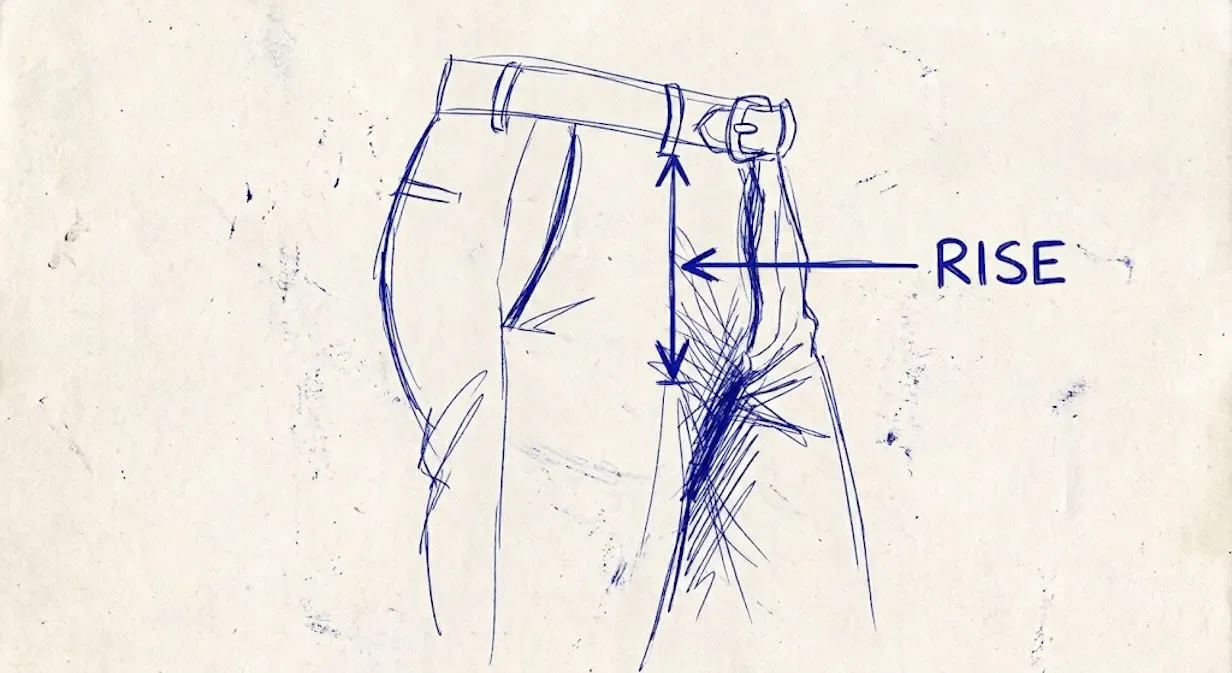
Rise is the distance from the waistband down to the crotch seam, and it has a big effect on how dress pants feel day to day. When it's too short, the trousers pull down at the front when you sit. When it's too long, the fabric bunches up between the waistband and the crotch and the whole trouser loses its shape. Most men have never had rise adjusted to their body, which is part of why they keep trying pairs that almost work but never quite do.
Taper and break
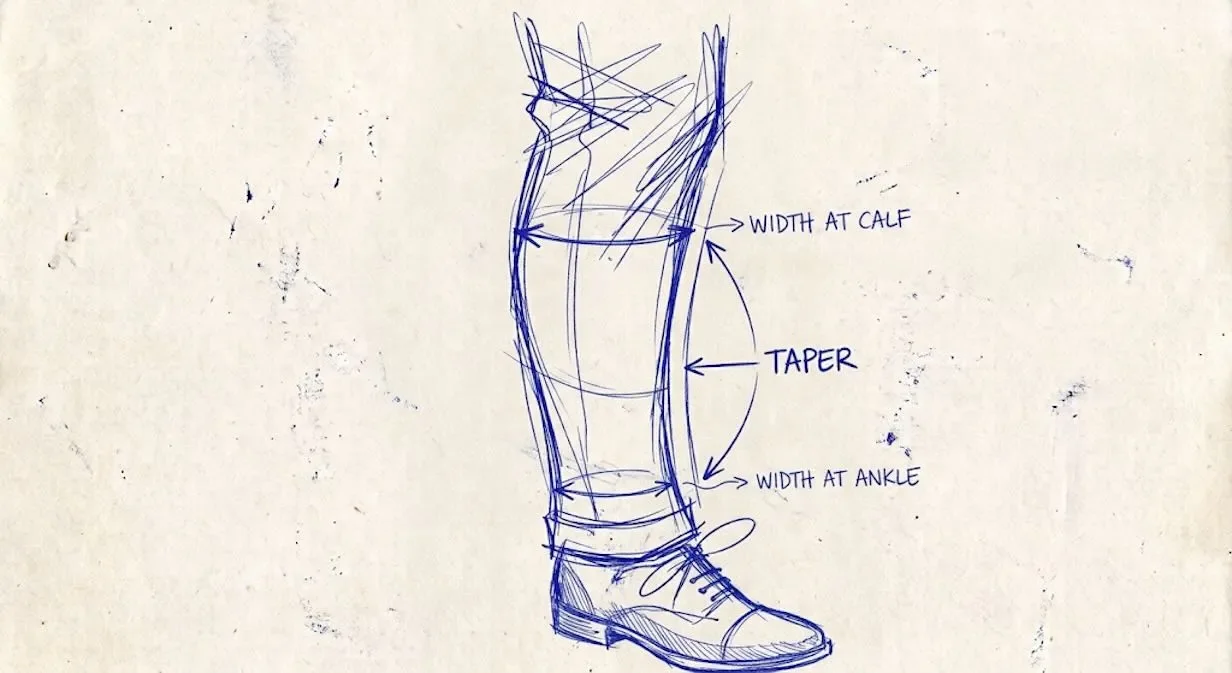
From the thigh down, the trouser should narrow gradually toward the hem. A leg that stays wide all the way down tends to look heavy. How much it narrows depends on your preference and your build.
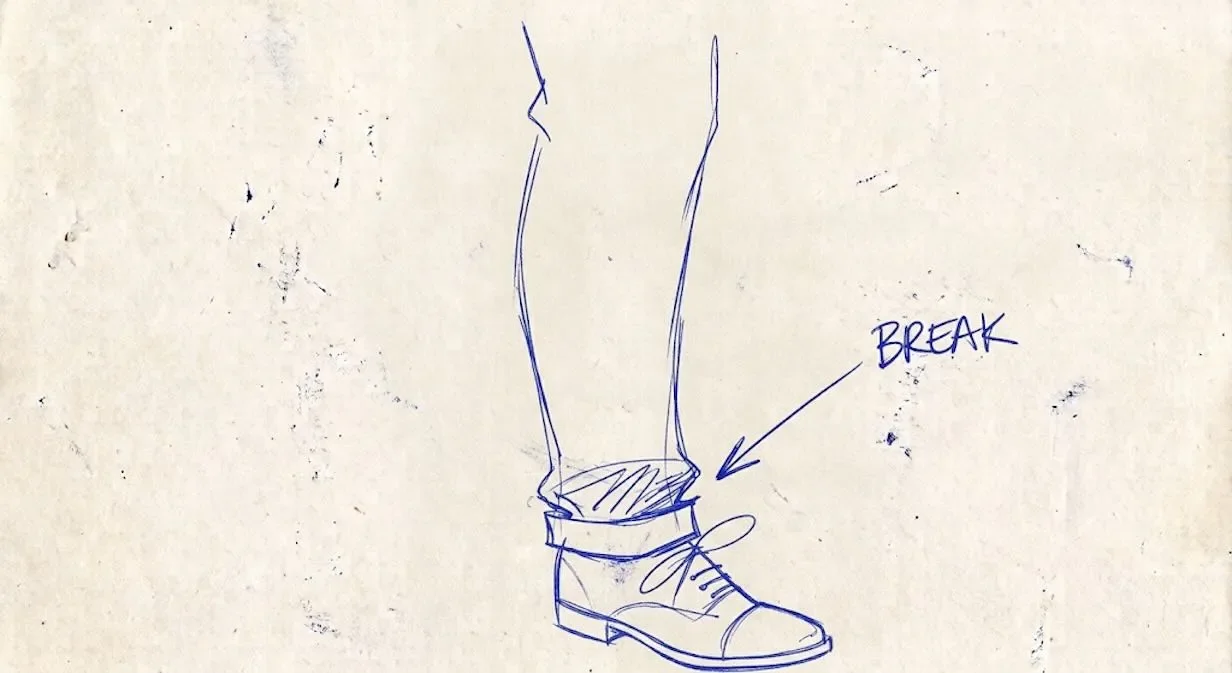
The break is how much fabric rests on the shoe at the hem. A small amount resting on the shoe, or none at all, tends to look clean and current. More fabric piling up at the hem can work, but it should be something you're going for rather than just a sign the trousers are too long.
Fabric plays into this too. Lighter cloths like high twist wool or fresco drape and move differently than heavier ones, and in Houston's heat you'll be in lighter fabrics most of the year. They also show fit more clearly, so it's worth getting right. If you're wearing dress pants without a suit jacket over them, the fit and fabric have to carry the whole look on their own.
What alterations can and can't fix
A tailor can adjust the waist, shorten the hem, or make changes through the seat. These are worth doing on a pair that's close. But most alterations can only do so much within the original cut of the pants. If the rise is off or the thigh doesn't suit your proportions, those aren't things a hem adjustment will fix. Dress pants that fit well in every situation generally start from a pattern made for the person wearing them.
How B. Kreps approaches dress pants fit in Houston
The process starts with a try-on garment that lets us assess posture, proportion, and movement in person rather than from measurements alone. A personal pattern is drafted from there, the garment is cut and made at our atelier in Amsterdam, and it comes back to Houston for final fitting and refinement. The result is a dress pants fit that holds up standing, seated, and everywhere in between.