
Suit Jacket Adjustments: What’s Possible, What Isn’t, and When to Start from Scratch
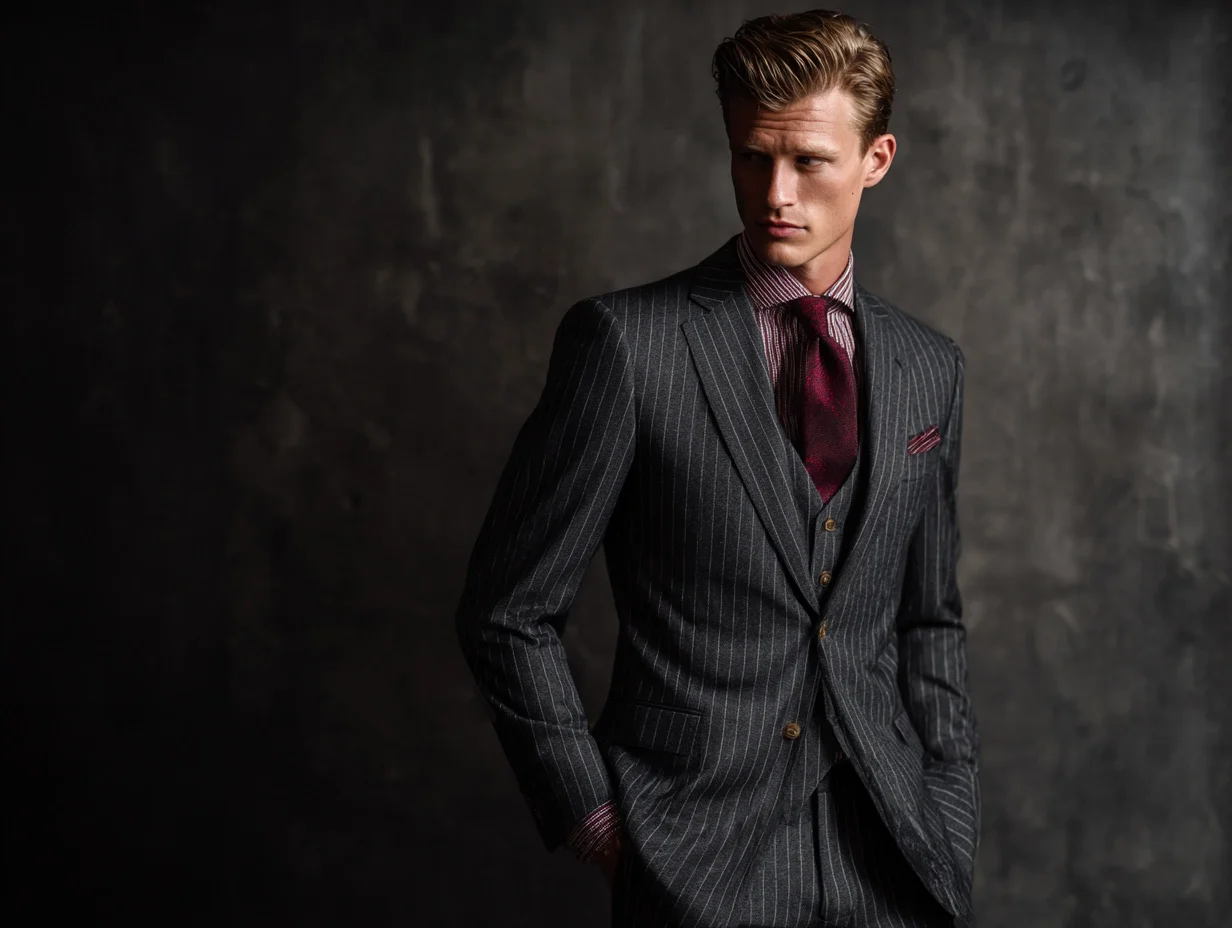
When people talk about suit adjustments, they are almost always talking about the jacket. The jacket is the most complex and structured part of a suit, and it is also the area where alterations are most limited. While tailoring can improve a finished jacket to a point, there are clear boundaries beyond which adjustments become ineffective or counterproductive.
What adjustments can be made to a suit jacket
Some jacket alterations are relatively common and can meaningfully improve fit, provided there is sufficient fabric available. These include:
- Taking the jacket in or letting it out slightly through the body, limited by seam allowance
- Adjusting sleeve length within the available cuff allowance
- Minor waist suppression to refine shape
- Small collar adjustments to improve how the jacket sits at the neck
These changes work best when they are modest. Jacket alterations are most successful when they refine an already reasonable fit rather than attempt to reinvent the garment.
The outer limits of jacket alteration
More extensive changes are technically possible but rarely advisable. These include:
- Resizing a jacket more than roughly one size up or down
- Attempting to change shoulder width or shoulder slope
- Correcting posture issues after the jacket is fully constructed
- Rebalancing a jacket that is fundamentally wrong in length or proportion
The jacket’s internal structure is built around the shoulders and chest. Once that structure is set, altering it usually results in visible distortion, even if the work is done competently.
Why shoulders and posture matter so much
Shoulders are the anchor point of a jacket. Unlike sleeves or waist suppression, shoulder width, pitch, and slope cannot be meaningfully altered without dismantling the garment. Similarly, posture-related issues such as a forward shoulder or erect stance cannot be corrected once the jacket has already been made. These are pattern-level decisions, not alteration-level fixes.
Fabric and pattern limitations
Fabric choice further restricts what adjustments make sense. Jackets made from bold patterns such as windowpane checks, large plaids, or pronounced stripes are far less forgiving. Significant alterations can disrupt pattern alignment and result in mismatched patterns and seams. In these cases, even technically precise tailoring can look wrong to the eye.
Bespoke jackets versus ready-to-wear allowances
Another key difference lies in how much excess fabric is built into the jacket. Bespoke suit jackets are typically constructed with additional seam allowance, allowing them to be let out or taken in gradually over time. Ready-to-wear jackets usually contain minimal excess fabric, sharply limiting future adjustments.
Why bespoke avoids the need for major jacket adjustments
Suit jacket alterations are inherently corrective. They attempt to fix issues after the garment already exists. A bespoke jacket is designed to avoid those problems altogether by addressing posture, balance, and proportion during the fitting and pattern stage. Instead of forcing changes onto a finished structure, the jacket is built correctly from the beginning.
For clients considering significant jacket adjustments, the most honest advice is often to start fresh. A bespoke suit jacket eliminates the need for extreme alterations and delivers a cleaner, more durable result that will continue to fit properly over time.
Come and visit us at one of our showrooms in Houston or book an appointment for your first bespoke commission.
Heights
2313 Edwards Street
Unit 115
Houston, Texas 77007
(281) 799-4872
Downtown Tunnel Loop
919 Milam Street
Unit T0700
Houston, Texas 77002